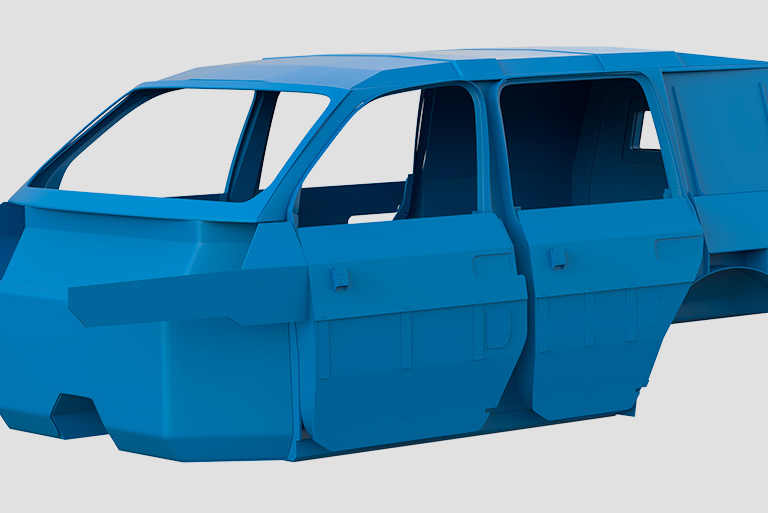
360° Perimeter Protection
The passenger cabin, roof, and floor are armoured by SMI to provide protection against ballistic threats and blast impacts, ensuring the safety of all occupants.
Ballistically certified armoured vehicles engineered in India since 1995.
Since 1995, Secure Mobile India has been at the forefront of automotive armouring in the Indian subcontinent. Our Nangloi, Delhi facility has delivered ballistically certified armoured vehicles to India's most sensitive government bodies, paramilitary forces, and private clients — built entirely in India by Indian engineers.
The modern threat landscape demands protection that goes beyond simple reinforcement. High-profile political figures, senior executives, law enforcement commanders, and government dignitaries face credible risks that range from targeted small-arms fire to explosive devices. A properly armoured vehicle is not a luxury — it is an operational necessity, and the difference between a safe return and a catastrophic outcome.
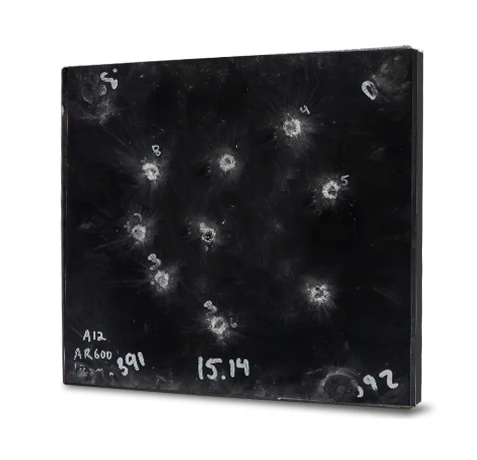
Every protection level begins with material selection. SMI combines four core armour materials, each chosen for its specific energy-absorption, weight, and structural profile — engineered to the threat environment.
ARMOX 500T high-hardness steel forms the primary structural capsule of every armoured vehicle. Encapsulating doors, floor, roof, pillars, and firewall, it is the backbone of all protection levels from B4 upward — delivering proven energy absorption against rifle and handgun threats.
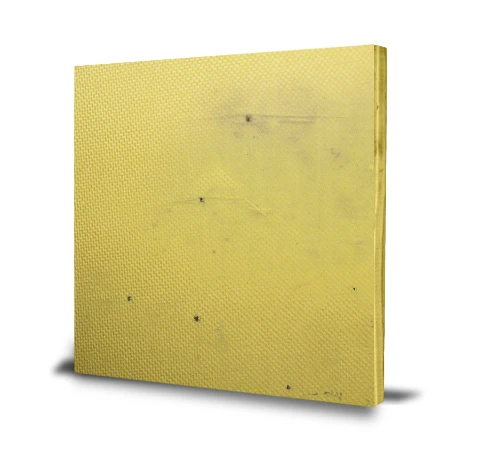
High-tensile para-aramid fibre is bonded as a spall liner to the inside face of ballistic steel panels. On impact, secondary metal fragments — spall — are a critical secondary threat. Kevlar's woven fibre matrix captures these fragments, preventing occupant injury from steel splash.
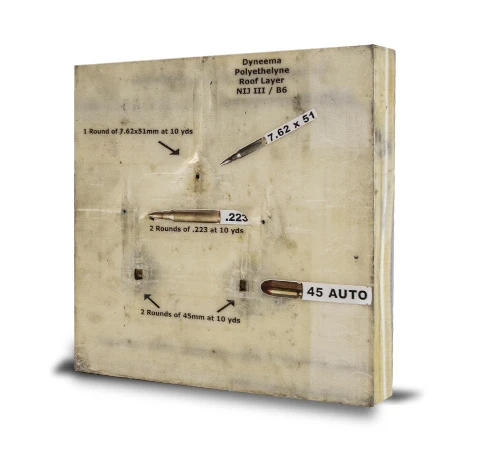
Ultra-high-molecular-weight polyethylene is among the world's strongest structural fibres by weight — stronger than steel per kilogram. Used in weight-critical builds and supplementary panels where mass reduction is paramount without compromising the certified protection level.
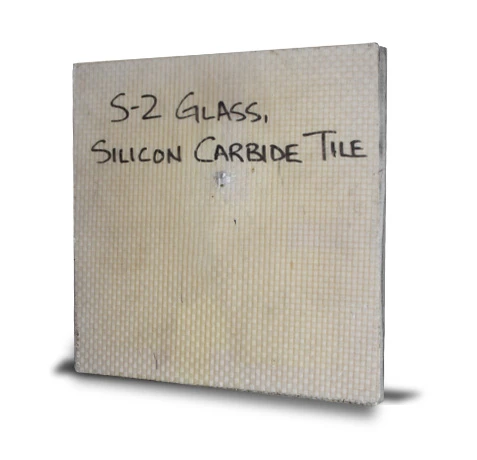
Hard-face SiC ceramic tiles are bonded to the strike face of the ballistic capsule at B6 and above. On impact, the ceramic fractures and destroys the penetrating tip of armour-piercing rounds — dissipating kinetic energy before it reaches the steel backing layer.
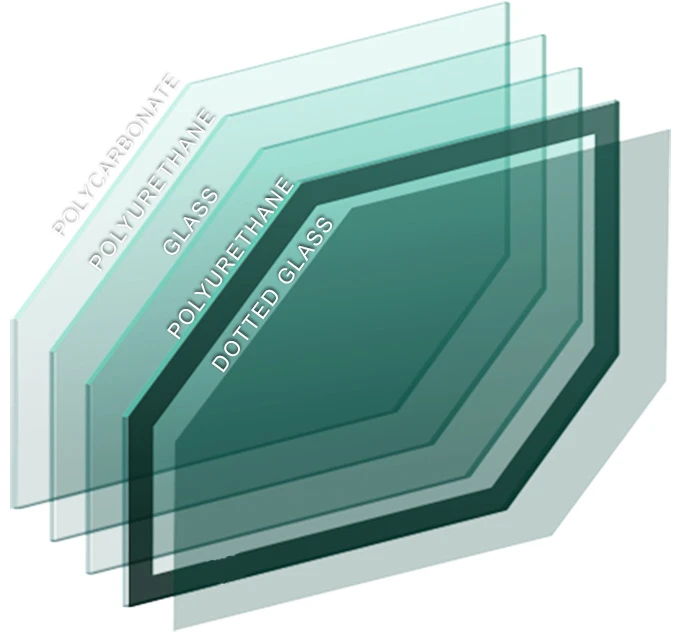
Ballistic glazing is the most technically demanding component of any armoured vehicle. SMI engineers multi-laminate glass packages to each protection level — bonding polycarbonate, PVB interlayers, and tempered glass under controlled pressure to achieve certified ballistic resistance while maintaining the optical clarity of factory glass.
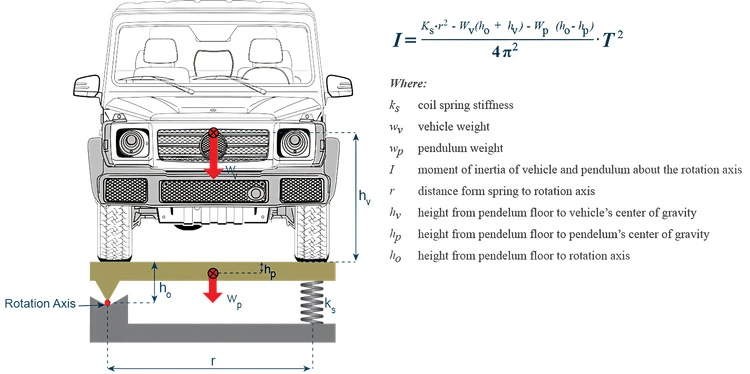
Adding ballistic steel and heavy glass raises a vehicle's centre of gravity — with direct consequences for handling, stability, and rollover resistance. SMI engineers calculate and optimise weight distribution across all four corners, ensuring the armoured vehicle retains predictable, safe dynamics at operational speeds.
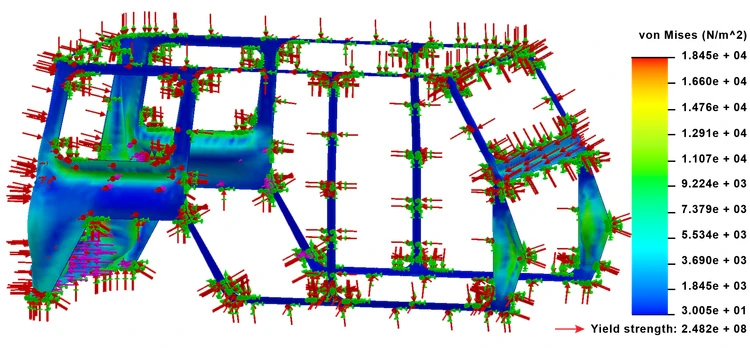
The ballistic capsule must withstand not only ballistic impacts but also the structural stresses of normal operation. Finite element analysis principles guide our engineers in designing an armour structure that distributes impact energy efficiently while maintaining the rigidity of the overall vehicle structure under load.
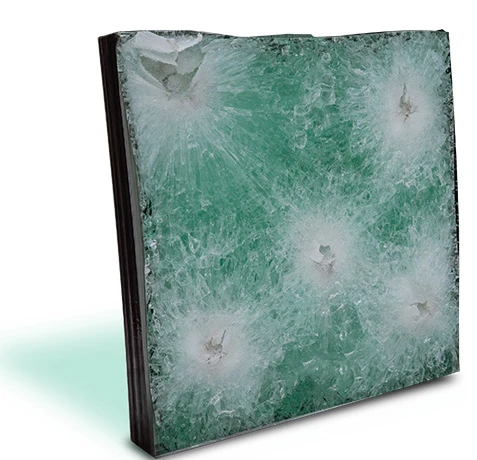
Ballistic glazing is the most technically demanding element of any armoured vehicle. SMI's glass engineering team selects laminate compositions based on the specific protection level and minimises optical distortion through precision layer bonding — ensuring the driver has the same visibility as a standard vehicle in all lighting conditions.
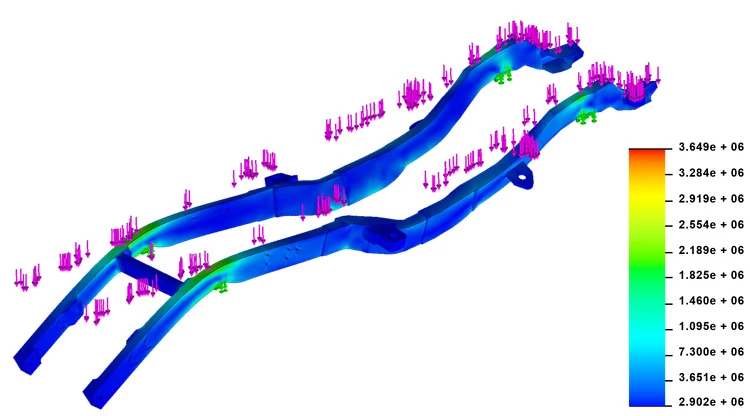
The additional mass of armour — typically 500 to 1,500 kg depending on protection level — demands upgraded suspension, braking, and drivetrain components. SMI specifies and installs heavy-duty spring, damper, and brake upgrades as standard on all builds above B5, preserving handling safety and ensuring the vehicle can operate under emergency conditions.
SMI builds to international ballistic standards from B4 through VR10. Each protection level is equivalent across the three primary frameworks: CEN EN 1063 (European), NIJ / NIJ+ (United States), and BIS IS 17051 (India) — the standard we are certified against here.
Protection against high-velocity handgun rounds and fragmenting projectiles. The standard for cash-in-transit, executive protection, and urban-environment vehicles.
Rifle-rated protection against 5.56mm and 7.62×39mm assault rifle rounds. Adds significant protection where small arms are a realistic operational threat.
Full-metal-jacket NATO rifle protection — the standard for government, diplomatic, and paramilitary fleet vehicles operating in elevated threat zones.
Armour-piercing rifle protection for high-threat environments. Specified for military liaison, special operations support, and critical-infrastructure security.
Explosion-resistant vehicle standard — protects occupants from grenade fragments, IED overpressure, and under-vehicle mine blasts. VR6–9 covers escalating blast-energy thresholds.
The highest civilian armour standard — protection against large improvised explosive devices and RPG fragment scatter. Specified for heads-of-state, counter-terrorism, and extreme-threat deployments.
SMI materials and vehicles are certified by DRDO/TBRL and meet international ballistic standards.
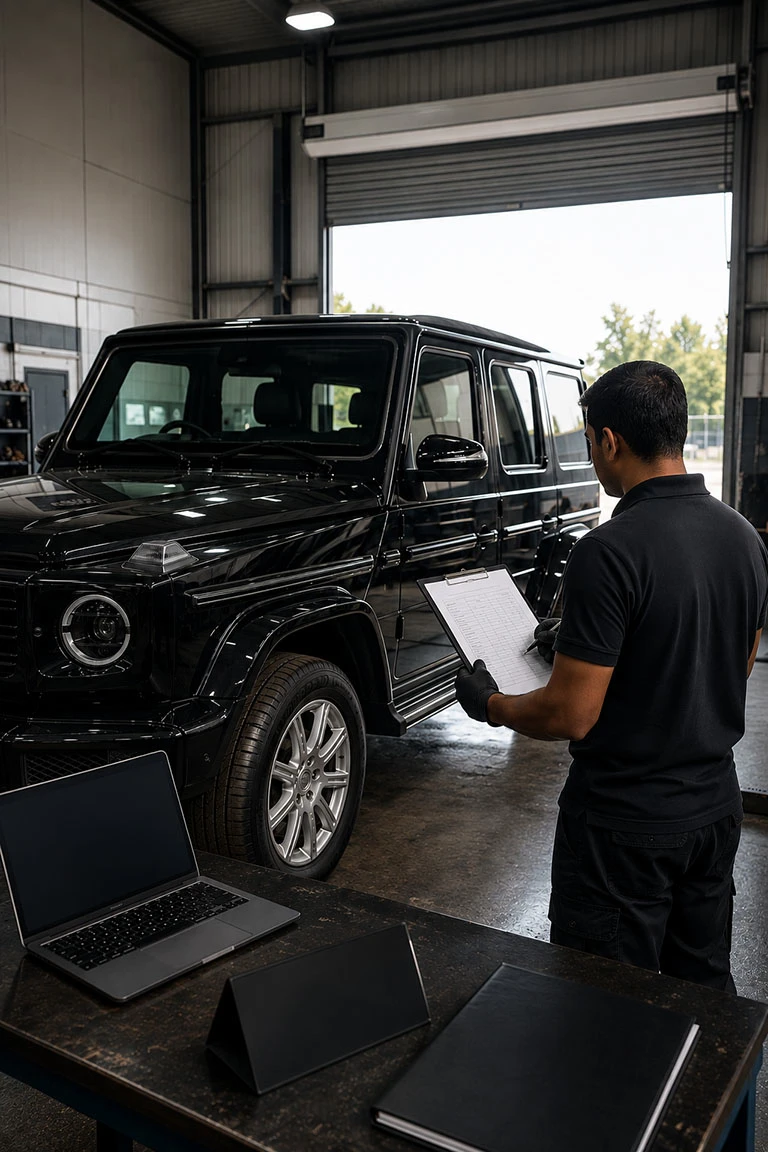
Every vehicle entering our facility undergoes a secure intake process, where it is documented, inspected, registered and assigned to a dedicated engineering programme before armouring begins.
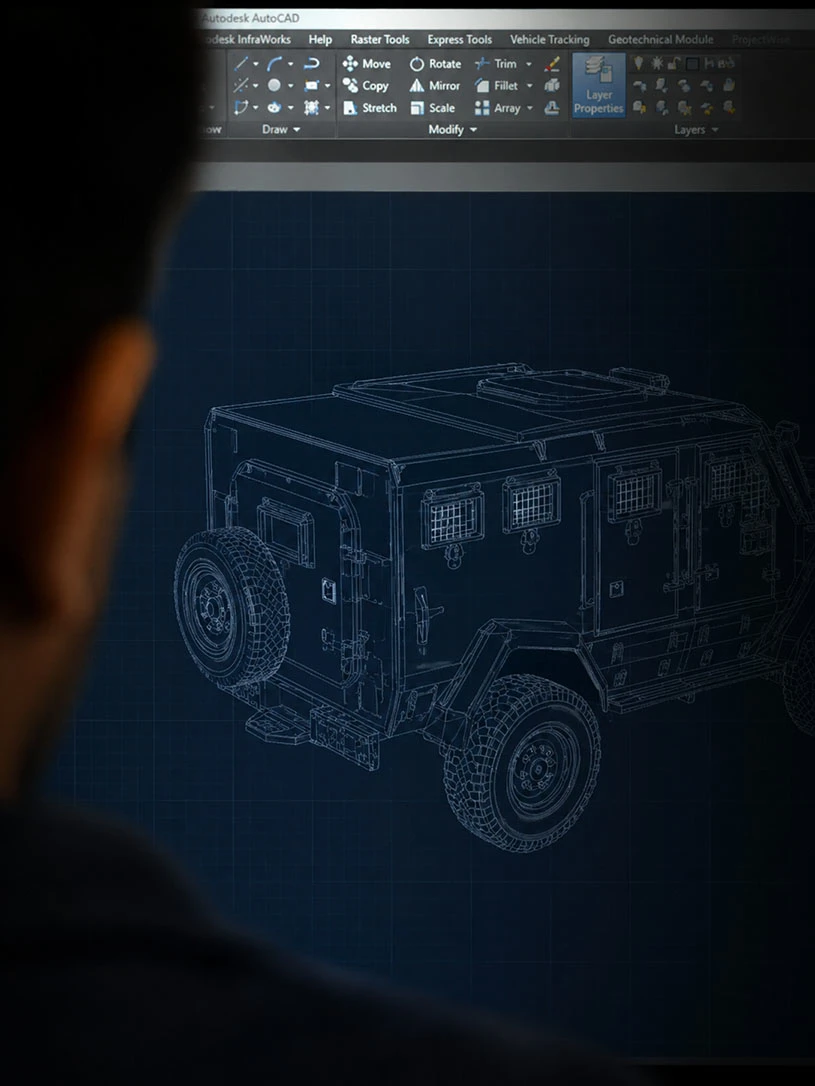
Engineers evaluate protection requirements, perform threat analysis and validate the armouring strategy using advanced CAD models and vehicle-specific schematics before fabrication begins.
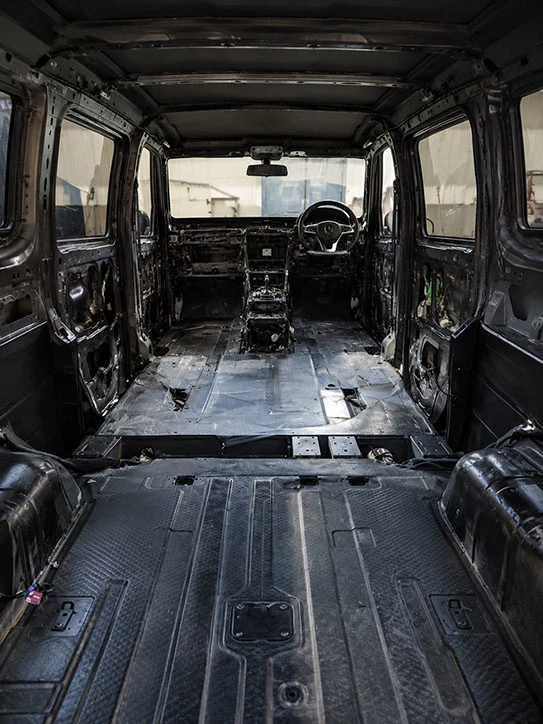
The vehicle is carefully stripped to its structural shell, enabling engineers to inspect the chassis, body and critical load-bearing areas before reinforcement and armour integration.
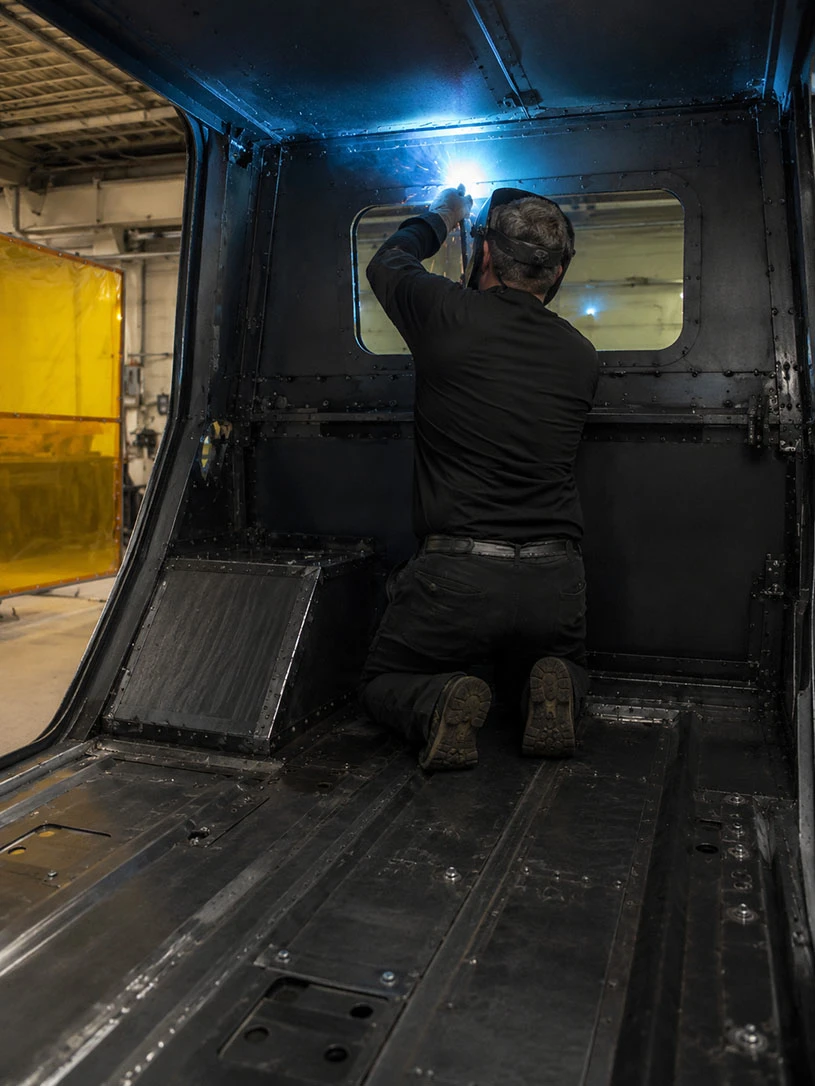
Precision-engineered ballistic steel is integrated throughout the passenger compartment, doors, pillars, firewall and other vulnerable areas to create a continuous 360° protective capsule.
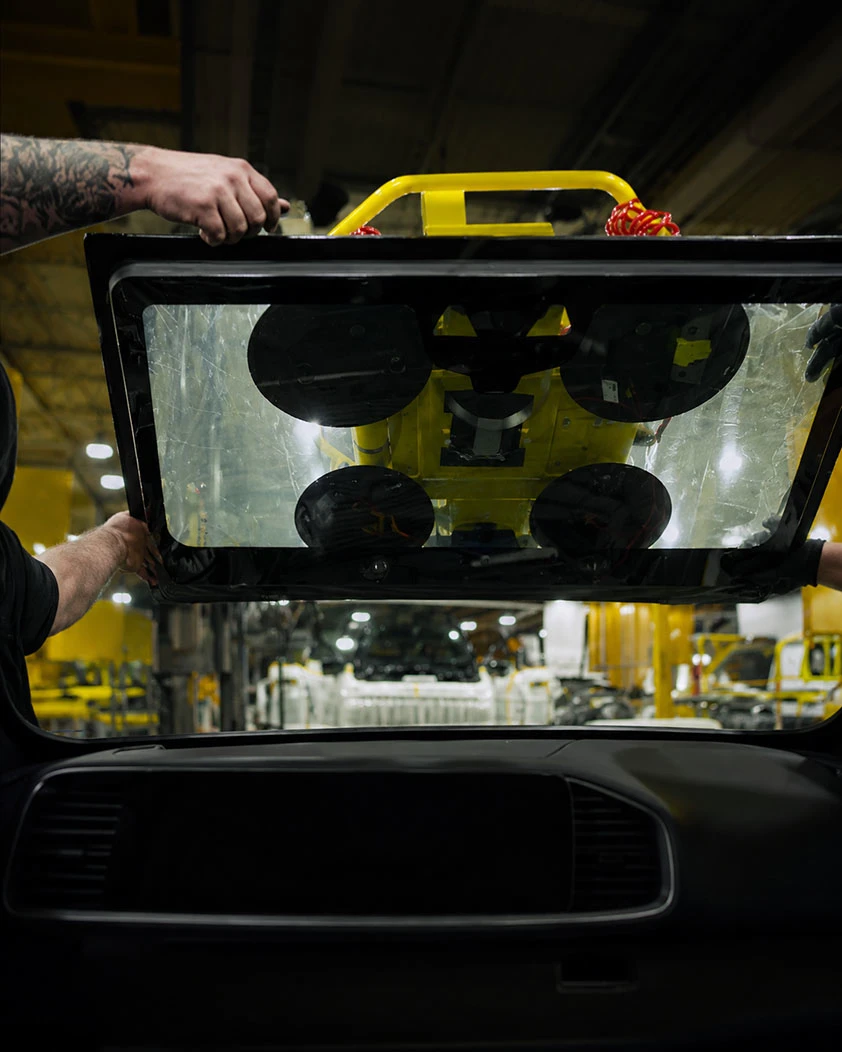
Multi-layer transparent armour is installed using vehicle-specific mounting systems to provide exceptional ballistic protection while preserving visibility and OEM styling.
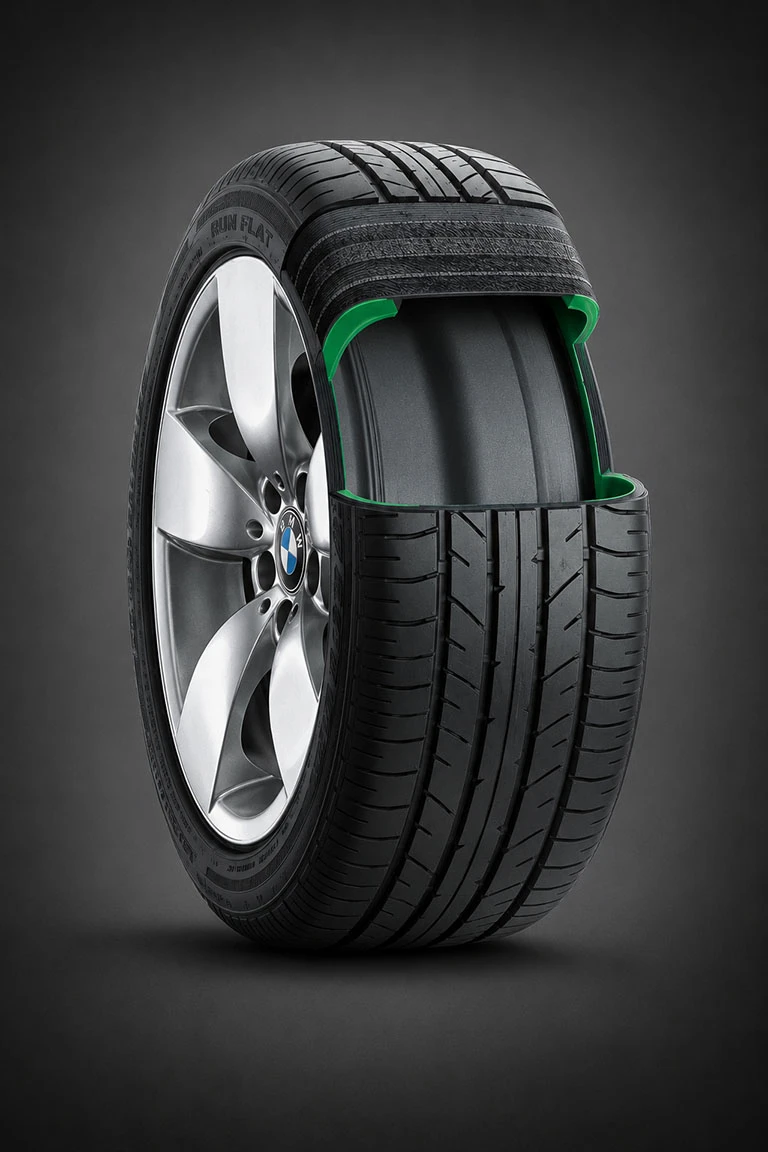
The vehicle is meticulously reassembled and refined, with optional upgrades such as reinforced suspension, run-flat systems and specialised protection features integrated where required.

Every completed vehicle undergoes comprehensive inspection, testing and certification to verify workmanship, performance and compliance before final handover to the client.
The passenger cabin, roof, and floor are armoured by SMI to provide protection against ballistic threats and blast impacts, ensuring the safety of all occupants.
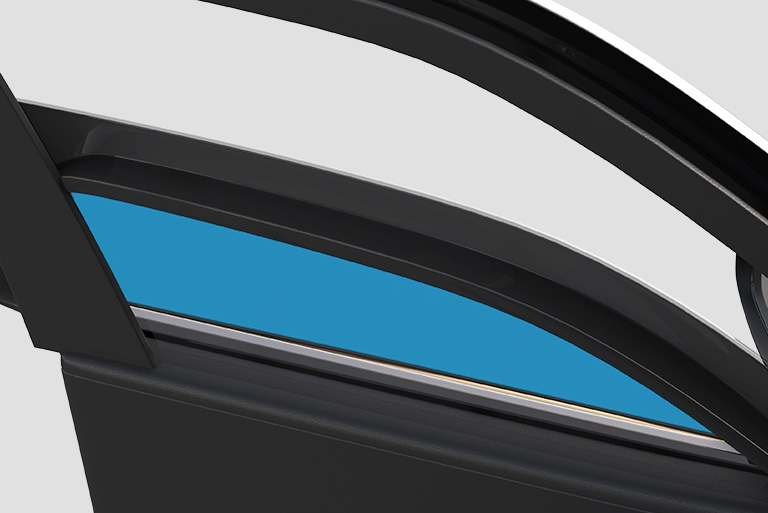
High-quality ballistic glass provides all-round protection while maintaining exceptional visibility and seamlessly matching the OEM design for discreet, near-undetectable armouring.
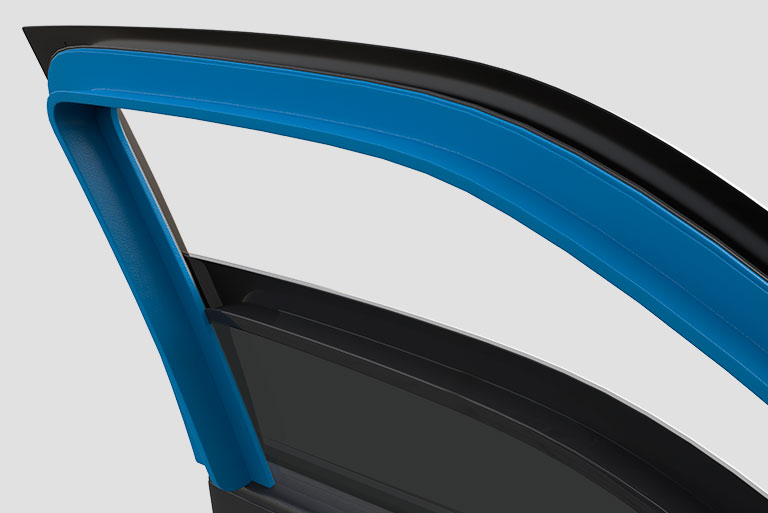
SMI’s proprietary ballistic door overlap system features reinforced protective edges designed to help prevent projectile penetration through door seams.
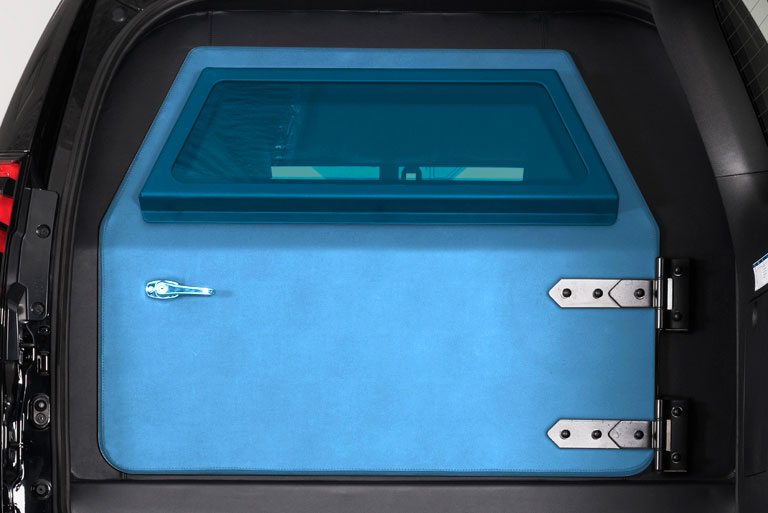
An armoured rear bulkhead with an integrated swing-out door enables protected access between the passenger cabin and the trunk.
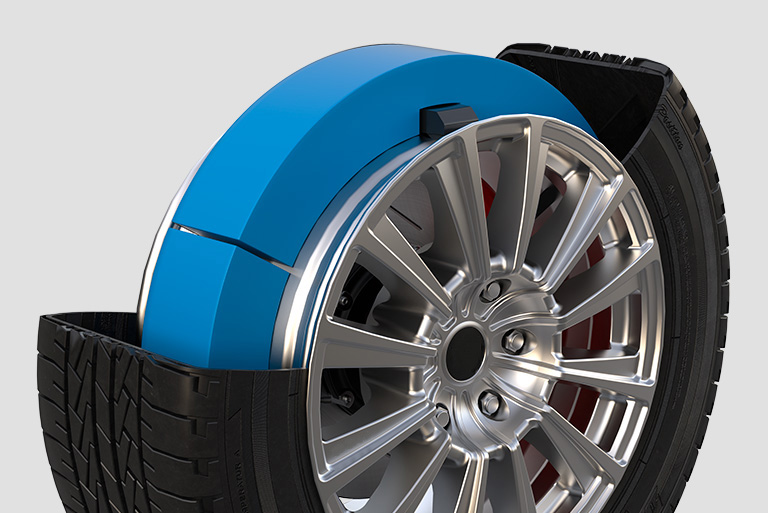
Solid polycarbonate run-flat inserts reinforce the wheel structure, allowing the vehicle to maintain mobility and stability even after tire punctures.
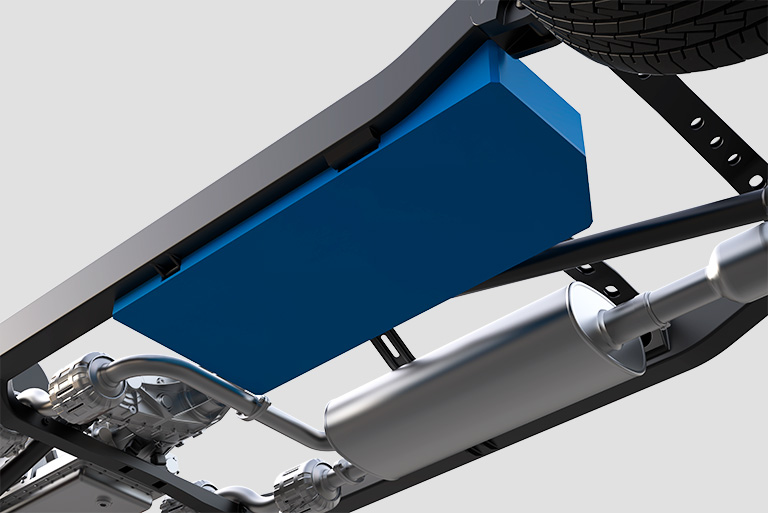
The armoured fuel tank enclosure helps protect against penetrations that could lead to fire, explosion, or critical system failure.
The passenger compartment is reinforced with certified ballistic steel across the doors, roof, floor, pillars,
and firewall, forming a seamless protective capsule that minimizes weak points and provides comprehensive
protection against ballistic threats and blast impacts.
*Light civilian armouring options are available upon request.
SMI integrates multi-layer ballistic glass engineered to resist high-calibre ballistic threats while maintaining exceptional visibility and clarity. Installed across the windshield, side windows, and rear glass, each panel is precision-matched to OEM curvature for a discreet appearance. Where required, heavy-duty window mechanisms are incorporated to ensure reliable operation without compromising protection, visibility, or vehicle aesthetics.
SMI’s proprietary ballistic door overlap system reinforces the vulnerable seams between the doors and frame with additional ballistic protection, minimizing potential entry points for projectiles. Seamlessly integrated into the vehicle’s structure, it enhances occupant safety while preserving the original appearance and functionality of the vehicle.
An integrated swing-out door provides protected access between the passenger cabin and the rear cargo area while maintaining ballistic integrity. The continuous armoured capsule ensures seamless protection throughout the vehicle without compromising occupant safety or accessibility.
Each wheel is equipped with durable run-flat inserts that allow the vehicle to remain mobile even after a tire puncture or blowout. Designed to maintain control and stability in critical situations, the system provides occupants with valuable time to safely exit high-risk areas while ensuring continued mobility across challenging terrain.
The fuel tank is enclosed within a precision-engineered armoured casing designed to protect against ballistic impacts, shrapnel, and blast fragments. This reinforced system helps reduce the risk of fuel leakage, fire, or explosion while ensuring reliable operation in high-threat environments.SS
From executive sedans to ruggedised SUVs — SMI builds across all major civilian and government platforms. Every build is invisible armouring returned to factory specification.

 Mercedes-Benz
 Toyota
 Audi
Audi
 Mahindra
 Land Rover
 Mitsubishi
 Lexus
Lexus
SMI also supplies and armours specialist vehicles for Indian defense and paramilitary agencies — including the Indian Army, CRPF, BSF, CISF, NSG, and state police forces. Government procurement and fleet armouring handled through dedicated channels.
Full specifications, protection levels, and available configurations for every supported platform.
Build time is typically 6 to 16 weeks, depending on the vehicle platform and the target protection level. Simpler platforms at B4–B5 may be completed in 6–8 weeks; complex VVIP builds at VR9–VR10 with full optional systems can require 14–16 weeks. Lead time begins from confirmed order and vehicle handover at our Nangloi, Delhi facility.
No. SMI's invisible armouring philosophy means every vehicle leaves our facility looking identical to its factory specification. Interior trim, exterior panels, badging, and finish are all reinstated to OEM standards. The ballistic steel and glass are entirely concealed within the vehicle's existing architecture — protection is invisible to any observer.
We build to the full range from B4 (NIJ Level IIIA — handgun protection) through VR10 (ERV 2022 — explosive resistant, highest civilian standard). The appropriate protection level is determined through a threat environment assessment conducted during the initial consultation with our engineering team. We build to CEN EN 1063 and ERV 2022 standards.
Yes. SMI accepts client-supplied vehicles for armouring subject to a pre-inspection confirming structural integrity and condition. We typically accept vehicles under 60,000 km and five years old, though exceptions are evaluated on a case-by-case basis. Our team will advise on suitability during the initial enquiry call.
Yes. Secure Mobile India's armouring work and ballistic materials are tested and certified by DRDO's Terminal Ballistic Research Laboratory (TBRL) — the Government of India's highest authority for ballistic testing. Our vehicles comply with international ballistic standards including CEN EN 1063 (B4 through B7+) and ERV 2022 (VR-series). Certified documentation is issued with every completed vehicle.