Made in India.
Before It Was Policy.
Long before Atmanirbhar Bharat, SMI made a deliberate choice to develop every product in-house rather than license foreign technology. This gave us a depth of materials, manufacturing and testing knowledge that no Indian competitor has been able to replicate — and that makes our products lighter, more precisely specified and more cost-effective than imported equivalents.
Our innovations are the direct result of unsolved customer problems — a ministry that needed a specific protection level not available in the Indian market, a police force that couldn't afford the weight of imported body armour, an infrastructure client whose building needed blast protection but couldn't be visually altered. Each innovation started as a client brief and ended as an Indian-made solution.
Our Innovations
India's First Bullet Proof Patka
Secure Mobile India patented and created India's first Bullet Proof Patka. Designed for the unique requirements of Sikh soldiers and police personnel, this innovation provided crucial head protection while respecting religious sentiments. It became a standard issue for armed forces, revolutionizing personal safety in insurgency areas.
Lightweight UHMWPE Body Armour
Developed lightweight UHMWPE-based body armour optimised for Indian operational conditions — high ambient temperature, humidity and extended wear duration. Weight reductions of 30–40% over para-aramid equivalents while maintaining NIJ IIIA protection, dramatically improving troop endurance.
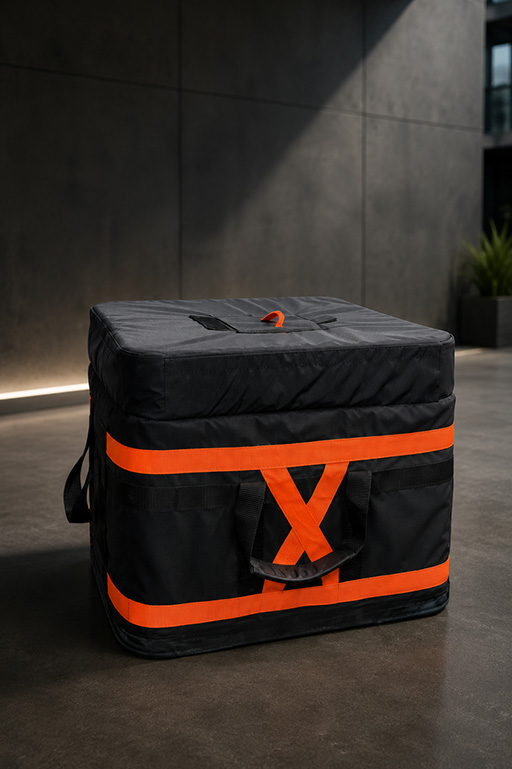
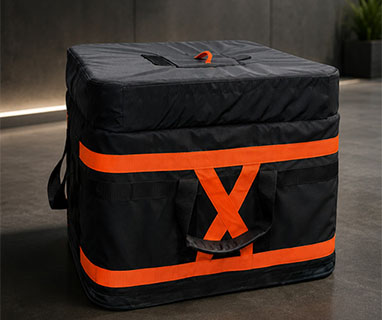
Blast Containment Bin
Designed and manufactured India's first domestically produced blast containment bin, previously available only through expensive imports from the UK and USA. Tested and certified by TBRL Chandigarh — enabling Indian security agencies to deploy blast mitigation at a fraction of the import cost.
Bomb Suppression Blanket
First indigenous bomb suppression blanket certified to NILECJ standards. Developed in partnership with the Indian Army bomb disposal units who provided operational requirements — specifically the need for a significantly lighter blanket that could be deployed by a single operator without a second team member.
Thin-Profile BR Glazing System
Developed a slim-profile ballistic glazing system for architectural retrofit into existing building fenestration — enabling B4/B5 protection in frames originally designed for standard double-glazed units. This eliminated the need for full window replacement in embassy and government building hardening projects.
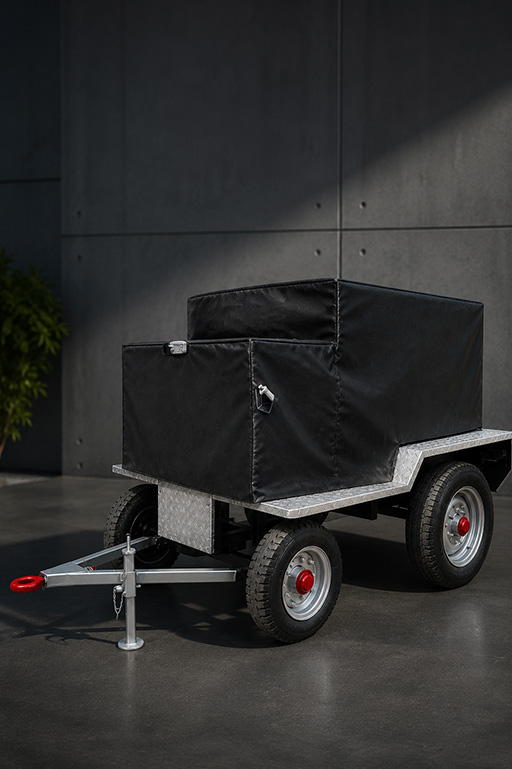
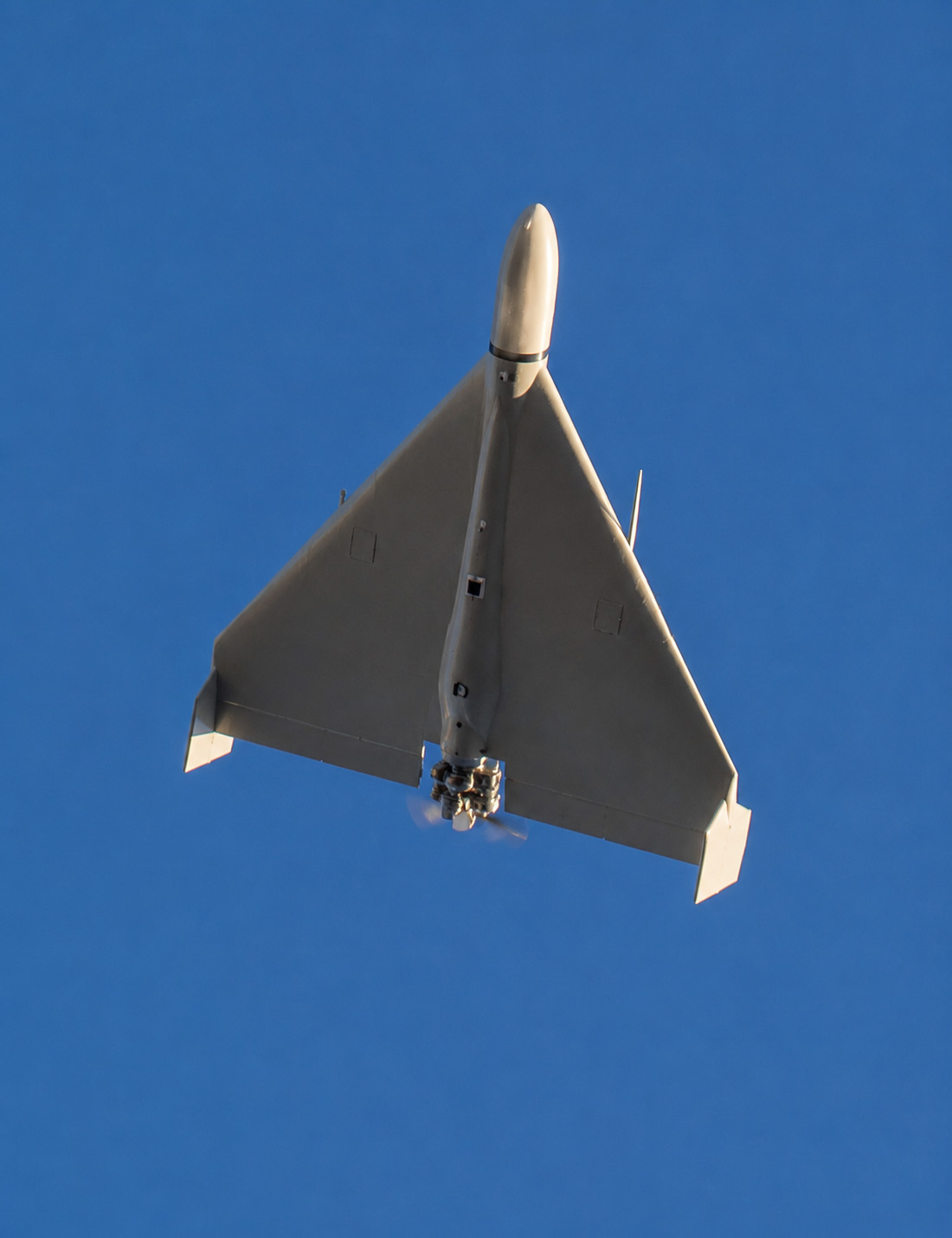
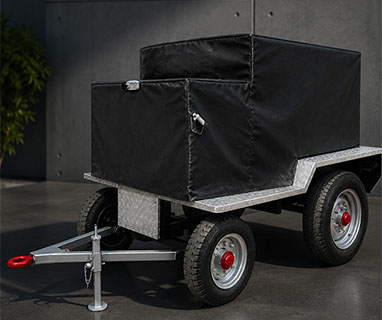
Anti Drone Exclusion Systems
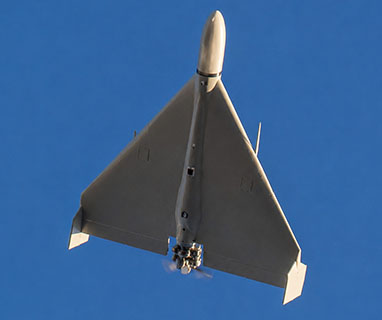
Developed India's first passive physical anti-drone exclusion systems — the Anti Drone Tunnel and Anti Drone Shelter — as a response to the growing UAS threat to Indian security installations. Physical exclusion provides 100% effectiveness that electronic counter-drone systems cannot guarantee.
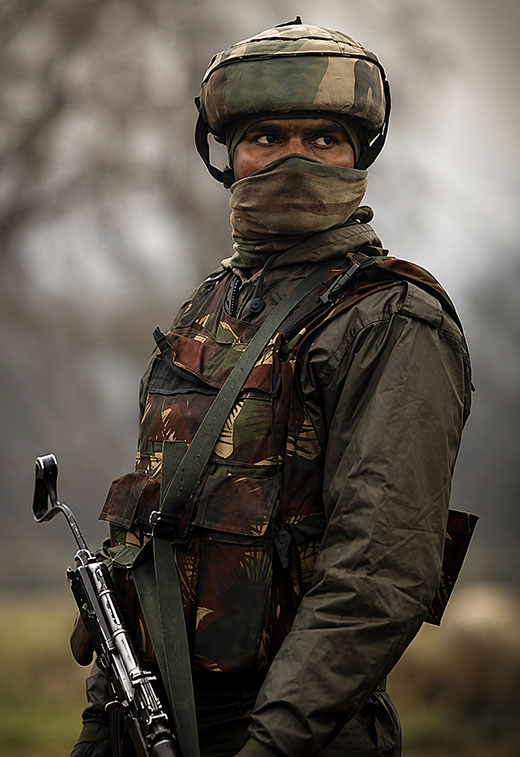


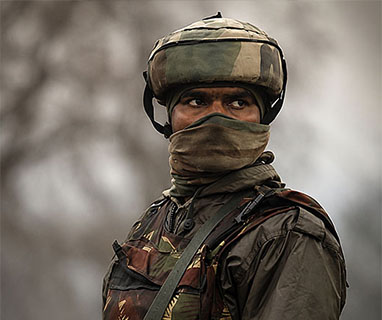

India's First Bullet Proof Patka
Secure Mobile India patented and created India's first Bullet Proof Patka. Designed for the unique requirements of Sikh soldiers and police personnel, this innovation provided crucial head protection while respecting religious sentiments. It became a standard issue for armed forces, revolutionizing personal safety in insurgency areas.
Lightweight UHMWPE Body Armour
Developed lightweight UHMWPE-based body armour optimised for Indian operational conditions — high ambient temperature, humidity and extended wear duration. Weight reductions of 30–40% over para-aramid equivalents while maintaining NIJ IIIA protection.
Blast Containment Bin
Designed and manufactured India's first domestically produced blast containment bin. Tested and certified by TBRL Chandigarh — enabling Indian security agencies to deploy blast mitigation at a fraction of the import cost.
Bomb Suppression Blanket
First indigenous bomb suppression blanket certified to NILECJ standards. Developed in partnership with the Indian Army bomb disposal units, specifically for single operator deployment.
Thin-Profile BR Glazing System
Developed a slim-profile ballistic glazing system for architectural retrofit into existing building fenestration — enabling B4/B5 protection in frames originally designed for standard double-glazed units.
Anti Drone Exclusion Systems
Developed India's first passive physical anti-drone exclusion systems — the Anti Drone Tunnel and Anti Drone Shelter. Physical exclusion provides 100% effectiveness that electronic counter-drone systems cannot guarantee.